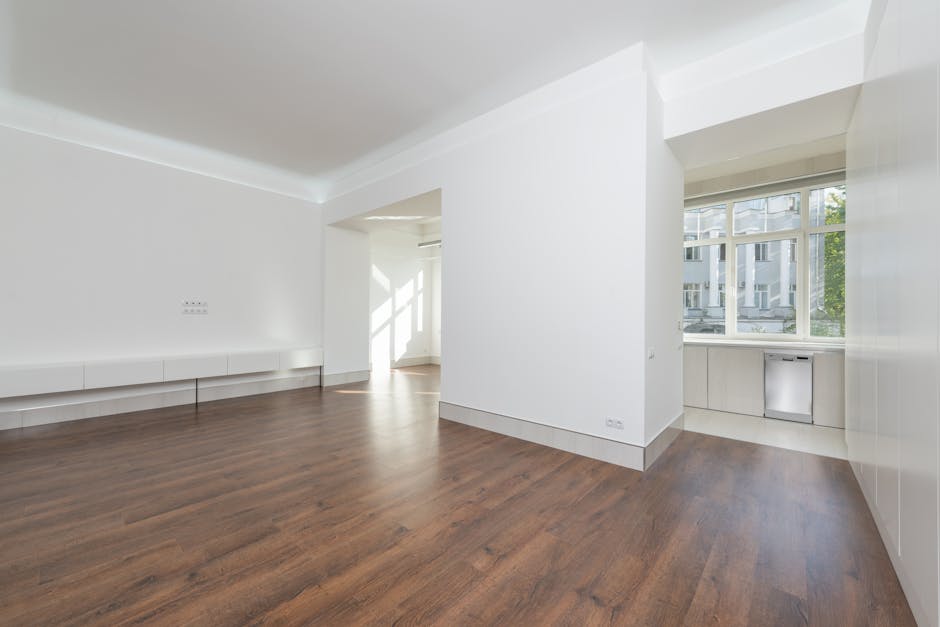
End of tenancy clean for flats on Eton Avenue: a practical guide for a smoother handover
Moving out of a flat can be strangely hectic. Boxes everywhere, keys due back, and that nagging feeling that the bathroom mirror somehow collected dust the second you stopped looking at it. If you need an End of tenancy clean for flats on Eton Avenue, the goal is simple: leave the property in a condition that helps protect your deposit, keeps the handover calm, and gives the next resident a proper fresh start.
Eton Avenue properties can vary quite a bit in layout and finish, so a good end of tenancy clean is rarely just a quick vacuum and a wipe round the sink. It is a careful reset of the whole flat, with special attention to kitchens, bathrooms, appliances, floors, skirting boards, and those easy-to-miss spots behind doors and under furniture. This guide walks through what matters, how the process works, and what to check before you hand the keys over.
Table of Contents
- Why End of tenancy clean for flats on Eton Avenue Matters
- How End of tenancy clean for flats on Eton Avenue Works
- Key Benefits and Practical Advantages
- Who This Is For and When It Makes Sense
- Step-by-Step Guidance
- Expert Tips for Better Results
- Common Mistakes to Avoid
- Tools, Resources and Recommendations
- Law, Compliance, Standards, or Best Practice
- Options, Methods, or Comparison Table
- Case Study or Real-World Example
- Practical Checklist
- Conclusion
- Frequently Asked Questions
Why End of tenancy clean for flats on Eton Avenue Matters
End of tenancy cleaning matters because move-out inspections tend to be detail-focused. Landlords and managing agents usually compare the flat's condition against the check-in inventory and the normal wear expected for the tenancy. That means surface dirt, grease, limescale, food marks, dusty coving, and grime in appliances can become the difference between a smooth sign-off and a frustrating dispute.
For flats, the issue is often more concentrated than in houses. There is less space to hide the wear of everyday life, so small things stand out. A bit of grease on the extractor hood, crumbs in cupboard corners, or a stain along the sofa base can make the whole place look less cared for than it really was. Truth be told, that is often what agents notice first.
On Eton Avenue, where flats may have compact kitchens, shared entrances, or higher-touch decorative finishes, a thorough clean is about presentation as much as hygiene. It signals respect for the property and can save time when the check-out happens. It also helps the next clean-up step, whether you are moving into a new place or simply closing a chapter and want one less thing hanging over you.
If you are deciding whether to book help or tackle it yourself, it can be useful to compare end of tenancy cleaning with other services such as deep cleaning or move-out cleaning. The overlap is real, but tenancy cleaning is usually more inspection-led and more exacting on detail.
How End of tenancy clean for flats on Eton Avenue Works
A proper tenancy clean follows the property from top to bottom, usually after all personal belongings have been removed. That is the cleanest way to work because it exposes the full picture: dust behind radiators, marks on skirting, build-up in the oven, fingerprints on switches, and the little bits that have been tucked away by furniture for months.
The process normally begins with an assessment of the flat's size, condition, and any problem areas. A one-bedroom flat with light use is a different job from a two-bedroom home with pets, heavy cooking, or hard water buildup in the bathroom. You do not want a cookie-cutter approach. Let's face it, flats rarely behave like cookie-cutter spaces anyway.
In practice, the clean is carried out room by room. Kitchens need degreasing, appliance cleaning, and sink descaling. Bathrooms need limescale removal, hygienic cleaning, and attention to taps, grout, shower screens, and toilet bases. Living areas and bedrooms need dusting, vacuuming, and spot cleaning. Windows, mirrors, and fixtures are polished so the flat looks bright, not just "clean enough".
For carpets, upholstery, or stubborn stains, the cleaner may suggest targeted treatments. That is where services like carpet cleaning, upholstery cleaning, or stain removal can help if they are relevant to the flat's condition.
One practical detail people sometimes miss: access. Flats on busy roads or in managed buildings can involve entry codes, lift bookings, parking limitations, or concierge arrangements. If cleaners cannot access the property efficiently, the job can drag. A smooth booking, clear arrival instructions, and a realistic time window make a real difference.
Key Benefits and Practical Advantages
The first benefit is obvious: a better chance of passing the final inspection without avoidable cleaning deductions. But the value goes beyond deposit protection. A well-executed move-out clean reduces stress during one of the busiest days of the move. There is something calming about standing in an empty flat and seeing it properly reset.
Other practical advantages include:
- More consistent results than a rushed self-clean done after packing, lifting, and driving all day.
- Better attention to detail in places tenants often miss, such as tops of cupboards, extractor fans, and behind bathroom fittings.
- Time saved when the moving schedule is already tight.
- Cleaner handover conditions for the next occupant, which is especially important in flats with shared or close-quarter living.
- Less last-minute panic if the inventory clerk turns up earlier than expected. Happens more often than people like, to be fair.
There is also a reputational benefit if you are leaving a flat in a professionally managed building. A spotless handover reflects well on you as a tenant. That may sound a bit formal, but in real life it can make the process feel more straightforward and respectful for everyone involved.
If your moving plan includes more than the flat itself, it can help to combine the tenancy clean with oven cleaning, window cleaning, or even steam carpet cleaning where needed. Those targeted services are often what lifts a good clean into a genuinely inspection-ready one.
Who This Is For and When It Makes Sense
This service makes sense for tenants leaving rented flats, landlords preparing for new occupants, and agents wanting a property to present well at changeover. It is especially useful when the tenancy agreement expects the property to be returned professionally cleaned or left to a similar standard.
You will usually want it if:
- the flat has visible daily-use dirt and you do not have time to deep-clean every room yourself;
- the kitchen has heavy cooking residue, burnt-on oven dirt, or grease around cupboards;
- the bathroom has limescale, soap scum, or mould spots that need focused treatment;
- there are carpets, rugs, or soft furnishings showing wear or staining;
- you are moving out in a single day and want a coordinated finish rather than a frantic last-hour tidy;
- you want the flat to look properly cared for in photos, inspections, or handover notes.
It also makes sense if you have lived in the flat for a while and the cleaning burden has quietly grown. That is common. A little dust in week one becomes a layer by month twelve. No drama, just life.
For some households, the best route is a hybrid one. You may manage some tasks yourself and book specialist help for the hard bits. For example, domestic touch-up cleaning may cover most surfaces, while a focused end of tenancy service handles the heavy inspection points. If that sounds like your situation, services such as domestic cleaning or one-off cleaning can also be useful in the lead-up.
Step-by-Step Guidance
If you are planning an end of tenancy clean for a flat on Eton Avenue, a sensible sequence helps a lot. Rushing around room to room tends to move dirt rather than remove it.
- Clear the flat fully
Remove boxes, bags, food, toiletries, and loose items. Cleaning around clutter is possible, but it is rarely efficient. Empty surfaces make every other task easier. - Assess high-priority areas
Check the kitchen, bathroom, floors, skirting, and any visible marks on walls or doors. These are the inspection hotspots. - Work from top to bottom
Dust shelves, light fixtures, tops of doors, and frames before cleaning lower surfaces. Otherwise, dust falls onto areas you have already cleaned. Annoying, but normal. - Deep-clean the kitchen
Degrease cupboard fronts, clean inside and outside appliances, descale the sink, scrub splashbacks, and pay attention to handles and switches. - Sanitise the bathroom
Remove limescale, polish taps, clean the shower screen, disinfect the toilet, and wipe around seals and corners where residue collects. - Vacuum and mop thoroughly
Move carefully across carpets, rugs, and hard floors. If floors are tired-looking, a specialist approach may be better than a quick pass. - Spot-treat marks and stains
Use the right product for the material. A carpet stain is not the same as a kitchen splash, and treating them the same can make things worse. - Finish with glass, mirrors, and touchpoints
Clean switches, handles, banisters, mirrors, and windows so the flat looks crisp in natural light. - Review the flat in daylight
Morning or late afternoon light often reveals missed smears and dust lines that indoor lighting hides. A quick second look pays off. - Document the condition
Take your own photos once the clean is complete. Not because you expect a problem, but because it is smart to have a record.
If you are also dealing with furniture, rugs, or soft items that need attention before move-out, a specialist service like sofa cleaning or rug cleaning can be worth considering. A flat can look spotless on hard surfaces and still feel dull if fabric items are tired.
Expert Tips for Better Results
The best results usually come from detail, patience, and sensible sequencing. You do not need a heroic effort at 11pm with a half-empty spray bottle and a tired back. Honestly, that route tends to end with bad moods and streaky glass.
Use the inspection lens. Ask yourself what an inventory clerk would notice first. Are there crumbs in drawers? Dust on top of door frames? Smudges on the fridge handle? That mindset is more effective than simply asking whether the flat "looks clean".
Choose products carefully. Harsh chemicals can damage finishes, especially on modern kitchen units, painted surfaces, or delicate bathroom fittings. Always test first if you are unsure. Better a cautious clean than a permanent mark.
Do not forget hidden places. Under beds, behind radiators, on top of wardrobes, inside extractor filters, and along the edges of carpets are classic miss points. They are also the places that make the biggest visual difference when cleaned properly.
Let cleaners handle specialist issues. If you have pet odours, stubborn upholstery marks, or curtains that have gathered dust, targeted services such as pet stain odour removal and curtain cleaning can save a lot of trial and error.
Keep the flat ventilated. A bit of airflow helps speed drying, reduces lingering cleaning smells, and makes the whole place feel fresher by the time you leave.
Book with the move in mind. If your departure and arrival dates overlap, arrange the clean late enough to avoid new dust settling but early enough to allow a final check. Timing matters more than people expect.
Common Mistakes to Avoid
Most move-out cleaning problems come down to either overconfidence or time pressure. Both are understandable, and both can be costly if they leave obvious gaps.
- Leaving the clean until the last hour. Packing takes longer than expected, and the clean gets squeezed. That is where mistakes multiply.
- Assuming a general tidy is enough. A tidy flat can still fail an inspection if grease, dust, or limescale are left behind.
- Ignoring appliances. Ovens, fridges, freezers, and extractor fans are among the most closely checked items.
- Using the wrong cleaning method on delicate surfaces. Some materials need soft cloths, some need descalers, and some need a specialist touch.
- Forgetting communal or building areas. If you have used shared hallways, lift areas, or entry mats during the move, keep them tidy and clear.
- Not checking the tenancy agreement. Some agreements are stricter than others about professional cleaning, carpet treatment, or stain removal.
There is also a small but important point: do not stop at what is visible from the doorway. Everyone does that first pass. The stronger result comes from the second pass, when you are checking the bits your eye glides over the first time.
Tools, Resources and Recommendations
You do not need a van full of gear to do a decent move-out clean, but the right tools make the work more effective and less tiring.
| Tool or Resource | Best Use | Why It Helps |
|---|---|---|
| Microfibre cloths | Surfaces, taps, mirrors, handles | Lift dust and residue without leaving much lint |
| Vacuum with attachments | Edges, upholstery, skirting, corners | Reaches the awkward bits most people skip |
| Non-abrasive bathroom cleaner | Taps, sinks, shower areas | Useful for limescale and soap film without scratching |
| Degreaser | Kitchen units, splashbacks, extractor areas | Breaks down build-up from cooking |
| Floor mop and bucket | Hard floors | Good for a final reset after vacuuming |
| Spot stain treatment | Carpets and fabrics | Helps with isolated marks before they set in permanently |
| Cleaning checklist | Whole-property planning | Prevents the classic "I forgot that room" problem |
If the flat has hard flooring, service guidance on hard floor cleaning can be useful, especially for stone, wood-look, or high-shine finishes that show marks more easily than you think. For windows that catch morning light and make the whole room feel brighter, window cleaning can be the finishing touch.
If the move-out leaves you with unwanted items rather than dirt, that is a different job entirely, and house clearance may be the more suitable route before the final clean. Different problem, different fix.
Law, Compliance, Standards, or Best Practice
In the UK, tenancy cleaning is usually guided more by tenancy agreements, inventory expectations, and general consumer fairness than by one single universal cleaning law. That is why clarity matters. The tenancy agreement may say the flat must be returned clean, professionally cleaned, or in a similar condition to the start of the tenancy, allowing for fair wear and tear.
Best practice is to follow the inventory standard, not guess at it. If the check-in report records clean carpets, spotless appliances, and tidy bathroom fittings, then the check-out should reasonably match that condition, minus normal wear. That does not mean perfect. It does mean carefully cleaned and well-presented.
Where service providers are involved, trust signals matter too. You should expect clear terms, transparent pricing, and sensible handling of access, security, and complaints. It is also reasonable to ask about insurance, safety practices, and payment security. A professional service should be comfortable discussing those basics without making it awkward.
For readers comparing providers, pages such as pricing and quotes, insurance and safety, and terms and conditions are useful places to check how a company works before you book. If sustainability is important to you, it is also sensible to review recycling and sustainability so you know what approach is being taken to waste and materials.
Options, Methods, or Comparison Table
People usually choose between doing the clean themselves, booking a one-off clean, or arranging a more specialist tenancy-focused service. Each option has a place, and the best choice depends on time, condition, and how strict the handover is likely to be.
| Option | Best For | Pros | Watch Out For |
|---|---|---|---|
| DIY end of tenancy clean | Very tidy flats and tenants with time | Lower cash cost, full control | Easy to miss detail, time-consuming, tiring |
| One-off cleaning | General refresh before move-out | Flexible, practical, good for surface cleaning | May not cover specialist move-out expectations |
| Professional end of tenancy clean | Inspection-led handovers and busy moves | Structured, thorough, less stress | Requires booking and clear access |
| Hybrid approach | Flats needing a mix of self-work and specialist help | Cost control plus targeted expertise | Needs good coordination and timing |
There is no single right answer. If the flat is lightly used and you are organised, DIY can work well. If the place has oven buildup, carpet marks, or a lot of room-by-room detail, a specialist clean is often the calmer option. Sometimes the sensible choice is just the sensible choice.
Case Study or Real-World Example
Picture a two-bedroom flat near Eton Avenue after a couple of years of normal London living: takeaway nights, rainy shoes by the entrance, bathroom humidity, and a kitchen that has done more work than anyone admits. The tenant has packed most things, but the last afternoon feels cramped. There is still dust on wardrobe tops, a slight tea stain on a worktop edge, and the oven door needs more than a wipe.
Rather than trying to do everything in a single exhausted sprint, the clean is broken into stages. First the flat is emptied and aired out. Then the kitchen is treated properly, including the oven, extractor area, and cupboard fronts. Bathroom limescale gets attention. Carpets are vacuumed edge to edge, and one small stain near the sofa base is treated rather than ignored. Windows are cleaned to let in more light, which sounds minor until you see the room afterwards. It changes the whole feel.
By the time the final check happens, the flat looks calm and ready. Not sterile, not unrealistic, just properly finished. That is usually what people want, even if they do not say it out loud.
Practical Checklist
Use this checklist the day before handover. If you tick most of these off, you are in good shape.
- All belongings removed from rooms, cupboards, and storage spaces
- Kitchen surfaces degreased and disinfected
- Oven, hob, extractor, fridge, and freezer cleaned
- Bathroom limescale removed from taps, screens, sinks, and shower fittings
- Skirting boards, door frames, and switches wiped down
- Floors vacuumed and mopped
- Carpets and rugs checked for stains or edge build-up
- Windows, mirrors, and glass surfaces cleaned
- Marks on walls, doors, and handles reviewed
- Bins emptied and waste removed
- Any required specialist treatments completed
- Final daylight walk-through done with photos taken
If you want to be extra careful, run the checklist once from the perspective of "what would an inspector notice in thirty seconds?" That quick mindset usually catches the last few bits.
Get a free quote today and see how much you can save.
Conclusion
An end of tenancy clean for flats on Eton Avenue is really about giving your move the clean finish it deserves. It helps reduce stress, supports a smoother handover, and leaves less room for misunderstandings about condition at check-out. More importantly, it turns a messy, tiring transition into something neat and manageable.
The best results come from a clear plan, careful attention to detail, and honest judgement about when a specialist service will save you time and hassle. Whether you do part of the work yourself or bring in help for the tougher areas, the aim is the same: a flat that feels properly looked after, right down to the last corner.
And if you have ever stood in an empty room with one cloth in your hand and three hours left on the clock, you already know this much: a good clean can be a small relief, but a big one.
Frequently Asked Questions
What is included in an end of tenancy clean for a flat?
It usually includes a thorough clean of the kitchen, bathroom, bedrooms, living areas, floors, skirting, fittings, and appliances. The exact scope depends on the condition of the flat and the tenancy expectations.
Do I need a professional end of tenancy clean on Eton Avenue?
Not always, but it makes sense if the flat needs detailed cleaning, if your tenancy agreement expects it, or if you are short on time. A professional clean can reduce the risk of missing key inspection points.
How long does a flat end of tenancy clean usually take?
That depends on size and condition. A lightly used one-bedroom flat may take a few hours, while a larger flat with carpets, stains, or heavy kitchen buildup will naturally take longer.
Can I do the clean myself and still pass the inspection?
Yes, if you are thorough and follow the inventory standard. The risk is usually not effort, but missed detail. Ovens, limescale, skirting, and hidden dust are the usual trouble spots.
What areas do landlords check most closely?
Kitchens, bathrooms, carpets, appliances, and visible surfaces get the most attention. Agents also tend to notice windows, handles, switches, and any obvious stains or odours.
Is carpet cleaning part of an end of tenancy clean?
It can be, but not always. If the carpets are stained or heavily used, specialist carpet cleaning or steam carpet cleaning may be needed to meet the expected standard.
What if there are stains on the sofa or rug?
That is usually best handled separately. Services like sofa cleaning, rug cleaning, or stain removal can be more effective than a general clean.
How can I prepare the flat before the cleaners arrive?
Remove belongings, empty cupboards, defrost freezers if needed, and make sure access is arranged. The more open the flat is, the more thoroughly the clean can be completed.
Should I clean the windows as well?
Yes, if they are part of the property condition you need to return. Clean windows improve the overall look of the flat and can make a surprising difference in natural light.
What if the flat has hard flooring instead of carpets?
Then focus on careful vacuuming, mopping, and spot treatment for marks. If needed, hard floor cleaning can help restore a better finish without damaging the surface.
How do I know whether I need one-off cleaning or tenancy cleaning?
If the goal is a general refresh, one-off cleaning may be enough. If you are preparing for inventory check-out and deposit protection matters, a tenancy-focused clean is the better fit.
What should I check after the clean is finished?
Walk through the flat in good light and inspect the kitchen, bathroom, floors, and any areas where stains or dust were previously visible. Take photos and compare the result against your move-out expectations.
Where can I ask about booking or service details?
If you want to discuss timings, service scope, or practical arrangements, use the site's general service information and booking pages. It is often easiest to confirm what is included before moving day gets too hectic.