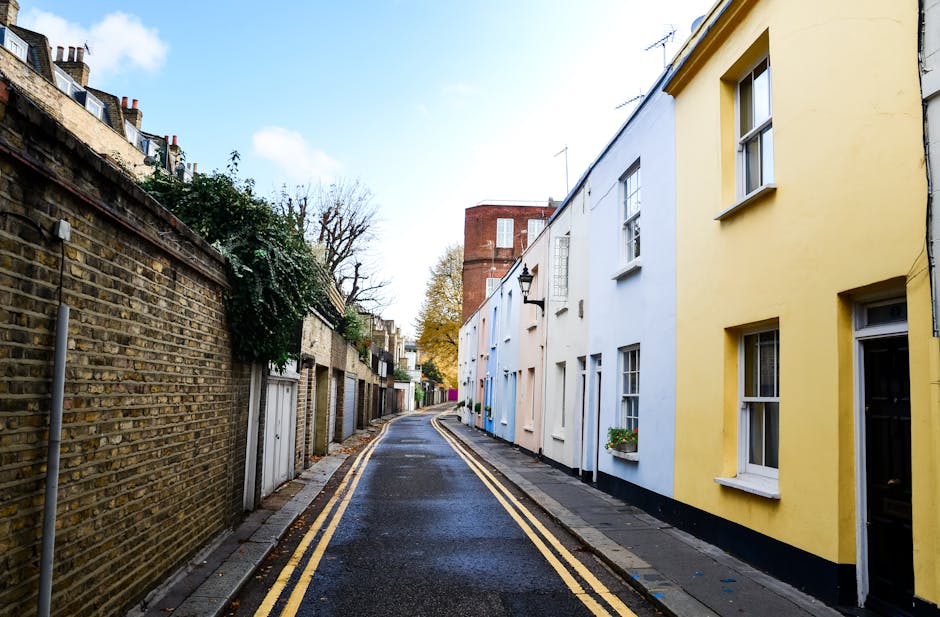
Belsize Village Domestic Cleaning Tips for Narrow Streets
If you live or work in Belsize Village, you already know the charm comes with a practical catch: the streets can be tight, parking can be awkward, and even a simple clean can turn into a small logistical puzzle. That is exactly why Belsize Village domestic cleaning tips for narrow streets matter. A good clean is not just about making surfaces shine. It is about getting equipment in safely, working efficiently in compact hallways and stairwells, and finishing the job without upsetting neighbours, blocking access, or wasting time on avoidable back-and-forth.
In this guide, you will find a clear, local-minded approach to cleaning in tight residential streets. We will cover what works, what to avoid, how to plan around access issues, and which cleaning methods are best when space is limited. If you are comparing professional help, you may also want to look at domestic cleaning and regular cleaning options as a useful starting point.
Truth be told, narrow streets do not make cleaning harder in every way. They just punish poor planning. The good news? With the right approach, the job gets calmer, quicker, and less disruptive for everyone.
Why Belsize Village domestic cleaning tips for narrow streets Matters
Narrow streets change the whole rhythm of domestic cleaning. On a broad suburban road, a cleaner might park close by, unload equipment in one go, and get straight to work. In Belsize Village, that assumption can fall apart fast. There may be restricted stopping space, busy foot traffic, awkward turns, and entrances that sit a little further from where a vehicle can safely wait. When that happens, small details start to matter: the size of your vacuum, the number of trips needed to carry kit, how you protect floors during entry, and whether the route from the pavement to the flat feels manageable.
This is especially relevant for older homes, maisonettes, and buildings with shared entrances. Hallways can be narrow. Staircases can be steep or turn sharply. In some places, a cleaning trolley is more hassle than help. Let's face it, one oversized bucket is not impressive if it keeps catching on a banister and sloshing water everywhere.
There is also the neighbourhood factor. Cleaners and residents in compact streets often work around school run traffic, deliveries, bins, and neighbours trying to pass through. Good cleaning practice in these settings is about keeping access smooth and being discreet, not just about the finish on the sideboard.
Expert summary: In narrow-street settings, the best cleaning results usually come from light equipment, tight scheduling, clear access planning, and a room-by-room method that reduces carry distance and disruption.
One more thing: planning well saves wear and tear. Fewer awkward lifts. Fewer last-minute apologies. Fewer spills. That is the sort of practical value people only appreciate after they have had to drag a full kit set down a cramped staircase at 8 a.m. on a wet London morning.
How Belsize Village domestic cleaning tips for narrow streets Works
The core idea is simple: adapt the cleaning plan to the building and the street, not the other way around. In a narrow-street area, the work usually starts before the cloth comes out. Access, arrival timing, parking, equipment size, and the layout of the property all shape the day.
A sensible approach often looks like this:
- Confirm access first. Check the entrance point, any codes or intercoms, where keys are kept, and whether there are shared corridors or stairwells to navigate.
- Choose compact kit. Smaller vacuums, lightweight mops, foldable caddies, and microfibre cloths are often better than heavy, bulky alternatives.
- Plan the route. Work out the shortest, safest way from vehicle to property and from room to room so you are not carrying the same items repeatedly.
- Sequence the tasks sensibly. Start with dusting and high-level cleaning, then surfaces, then floors, and finish with detail work so you do not re-soil cleaned areas.
- Protect the shared space. Use clean shoe covers or floor protection where sensible, especially if the hallway is pale, carpeted, or shared with neighbours.
- Leave buffers for street realities. Narrow roads are unpredictable. A delivery van, recycling collection, or double-parked vehicle can delay access, so build in a little time, not too much optimism.
For many households, this is where professional domestic help becomes attractive. If you want a cleaner routine without handling the access logistics yourself, house cleaning can be a helpful fit, especially if you want recurring visits rather than one-off resets.
There is also a difference between a quick tidy and an efficient clean. A tidy removes visual clutter. An efficient clean anticipates constraints. In narrow streets, that means thinking about bottle sizes, refill containers, vacuum cable length, and whether you really need to move that big planter twice. You probably do not.
Key Benefits and Practical Advantages
Cleaning well in a narrow-street setting brings a few clear advantages beyond the obvious "it looks better" outcome.
- Less disruption to neighbours: A quiet, compact setup reduces corridor congestion and awkward mid-stair pauses.
- Faster access and exit: When everything is pre-planned, entry and departure are smoother, which matters if parking is limited.
- Better results in tight spaces: Small tools can be more precise around skirting boards, radiators, and built-in furniture.
- Lower risk of accidental damage: Fewer bulky items moving through narrow hallways means fewer scuffs and bumps.
- More consistent cleaning standards: A repeatable routine works well when the property layout is not generous.
- Less stress on the day: This is not trivial. Good planning removes that mildly panicked feeling of arriving and wondering where on earth to put the kit.
There is also a seasonal angle. In winter, narrow entrances are more likely to become damp and muddy. In spring and summer, windows stay open and dust can seem to reappear almost overnight. A good cleaning plan adapts to the weather and the building's rhythm.
If you have carpets, rugs, or fabric furniture, the benefits become even more obvious. Smaller tools and careful sequencing make it easier to clean around soft furnishings without dragging damp through the house. For homes with a lot of textiles, services such as carpet cleaning, rug cleaning, and sofa cleaning can be especially useful after a deeper reset.
Who This Is For and When It Makes Sense
This approach is useful for a lot of people, not just those in very small flats. It is relevant if you live in a period conversion, a maisonette above a shop, a terraced home with a tight entrance, or a building where access is shared and space is precious. It also makes sense for landlords, tenants, and property managers who need to keep cleaning predictable in a neighbourhood where parking and access can shift day by day.
It is particularly helpful when you are:
- preparing for guests or an inspection
- managing regular domestic upkeep without making noise or mess in communal areas
- trying to keep weekly cleaning efficient in a compact home
- dealing with move-in or move-out pressure
- handling a one-off deep clean after renovations, illness, or a busy season of life
Some homes only need a steady routine. Others need a complete reset first. If the property has dust in neglected corners, built-up limescale, or a kitchen that has gotten a bit out of hand, then a deep cleaning visit can make the ongoing maintenance much easier afterwards. And if the cleaning is tied to moving day, move-out cleaning or move-in cleaning is often the sensible route.
To be fair, not every household needs the same level of service. A single professional couple, a family with young children, and a short-let property all create different cleaning pressures. The trick is matching the method to the reality of the space.
Step-by-Step Guidance
Here is a practical way to clean efficiently when the street is narrow and the property access is a little fiddly.
1. Map the access before you start
Check where parking is likely to be possible, where the entrance is, and whether the route involves stairs, shared corridors, or tight turns. If you are cleaning your own place, have keys, fobs, and any entry details ready beforehand. This sounds obvious until you are standing outside in the drizzle, looking through a satchel for the wrong set of keys.
2. Reduce the amount you carry
Use a smaller, organised kit. A compact vacuum, a spray bottle with clear labels, several microfibre cloths, and a minimal set of products will often outperform a big box of random things. The goal is not to bring everything. The goal is to bring the right things.
3. Start at the top and work down
Dust ceiling edges, shelves, frames, and higher surfaces first. Then move to worktops, bathroom fittings, and lower fixtures. Floors should come last. In narrow homes, this sequence matters because it prevents repeated passes through the same small hallway.
4. Clean in zones, not just by task
Rather than vacuuming the whole flat, then dusting the whole flat, and then mopping the whole flat, it can be more efficient to complete one room before moving on. That is especially true where storage is tight and you need to keep bags and tools out of the way.
5. Protect transitions and common areas
Hallways, landings, and thresholds are where most accidental marks happen. Keep cloths dry enough to avoid dripping, and wipe up any splash immediately. If the building has shared access, try to leave it looking as neat as when you arrived.
6. Finish with detail work
Once the main cleaning is complete, do the final touches: taps, switches, handles, mirrors, skirting edges, and visible smudges around door frames. These small details make the property feel properly cared for. That fresh-clean smell, the one that hits you when you open the door after a good clean? People notice it.
If the property has stubborn dirt on hard surfaces, a specialist hard floor cleaning service may be worth considering, especially in hallways and kitchens where scuffs build up fast.
Expert Tips for Better Results
Here is where the small gains really add up.
- Use fewer products, but better ones. Too many bottles create clutter and slow you down. A well-chosen cleaner list is easier to manage in cramped spaces.
- Choose cloths over bulky accessories. Microfibre cloths, mop pads, and compact dusters are easier to manoeuvre than large tools.
- Work with dry dust first. In narrow interiors, wet cleaning too early can turn dust into streaks and paste. Not ideal.
- Watch airflow. Open windows briefly where appropriate, but do not create a draft that blows dust into a clean room or into a neighbour's landing.
- Pay attention to edges. Narrow properties often reveal dirt at skirting level, behind doors, and near radiator pipes.
- Plan around quiet hours. If you are using a vacuum or machine in a shared building, be considerate about timing.
- Bundle specialist tasks together. If you need oven cleaning, window cleaning, or mattress cleaning, it often makes sense to schedule them as part of one broader reset rather than at random intervals.
A useful little habit: keep one "entry cloth" just for the front hall or landing. That way, if the area gets a bit damp or dusty from shoes and open doors, you can tackle it first and stop the mess travelling through the rest of the property.
And if you are dealing with a busy household, a weekly pattern usually beats heroic deep cleans every few months. Heroic cleaning sounds impressive. It is also exhausting. Maintenance is kinder.
Common Mistakes to Avoid
Most problems in narrow-street domestic cleaning come from trying to do too much at once or bringing the wrong setup.
- Arriving with oversized equipment: A machine that is brilliant in a large home can become frustrating in a narrow hallway.
- Ignoring access timings: Even ten minutes can matter if street access is tight and parking disappears quickly.
- Cleaning in the wrong order: If you mop before dusting shelves, you will likely have to repeat the floor.
- Over-wetting surfaces: Wet patches in small rooms take longer to dry and can create slip risks.
- Blocking entrances: In shared buildings, even a small kit bag left in the wrong place can cause irritation.
- Forgetting ventilation and drying time: A compact space can hold moisture longer than expected.
- Using aggressive products everywhere: Strong chemicals are not the answer to every mark. Sometimes a gentler approach is safer and just as effective.
One common mistake is assuming a narrow property needs less planning because it is smaller. In practice, it often needs more. Less floor area does not automatically mean less complexity. Especially if there are stairs, awkward door swings, or limited places to leave things while you work.
For particularly messy situations, a targeted stain removal service or pet stain odour removal may save time and prevent a persistent problem from hanging around in a small room.
Tools, Resources and Recommendations
You do not need a van full of gadgets. In fact, too many gadgets can make the process worse. The best tools for narrow-street domestic cleaning are usually compact, reliable, and easy to carry.
| Tool or Method | Best Use | Why It Helps in Narrow Streets |
|---|---|---|
| Compact vacuum | Everyday dust and debris | Easier to carry, store, and move through tight hallways |
| Microfibre cloths | Dusting and polishing | Lightweight, reusable, and precise around edges |
| Small spray bottles | Surface cleaning | Reduce bulk and let you control product use |
| Foldable caddy or tote | Transporting basics | Keeps equipment organised without taking up much room |
| Flat mop | Floors and tiles | Manoeuvres better than heavy mop buckets in tight spaces |
| Room-by-room plan | Whole-property cleaning | Reduces repeated movement in and out of shared access areas |
On the service side, it helps to know what can be handled as part of a broader clean and what may need a separate specialist visit. For example, curtain cleaning and upholstery cleaning are often better scheduled when you are already doing a deeper refresh. The same goes for steam carpet cleaning if carpets are heavily used or carrying odours.
When comparing cleaning options, do not look only at the obvious price point. Think about access handling, time spent on site, equipment size, and whether the service is suited to a narrow internal layout. Sometimes the "cheaper" option becomes more expensive when it takes longer or causes more disruption. Annoying, but true.
Law, Compliance, Standards, or Best Practice
For domestic cleaning in narrow streets, the main compliance concerns are usually practical rather than complicated. You are generally looking at safe working habits, sensible manual handling, respect for shared spaces, and appropriate use of cleaning products. If a professional cleaner is involved, it is sensible to expect clear communication about insurance, safety, and how any cleaning work will be carried out in occupied homes or shared buildings. You can review a provider's insurance and safety information and health and safety policy before booking.
In plain English, best practice means:
- avoiding blocked exits and cluttered corridors
- keeping cleaning products stored and labelled properly
- reducing slip hazards from excess water or polish
- being careful with lifting and carrying in tight spaces
- respecting neighbours and shared access
- disposing of waste responsibly, especially when packaging or single-use items are involved
For households that want to align cleaning habits with wider environmental thinking, it can also be sensible to look at a provider's recycling and sustainability approach. That is not just a branding detail. In a compact neighbourhood, lighter, more efficient routines often create less waste and less clutter.
If you are booking a paid service, terms, payment methods, and service expectations should be transparent. That is basic trust-building, really, and it should not be buried in small print. A reputable provider should also make it easy to understand how bookings, billing, and complaints are handled. Straightforward is best.
Options, Methods, or Comparison Table
There are a few practical ways to approach cleaning in a narrow-street setting, and the right choice depends on how often you clean, how much access is involved, and how much equipment you want to manage yourself.
| Approach | Best For | Pros | Trade-Offs |
|---|---|---|---|
| DIY routine cleaning | Small households, low-to-moderate mess | Flexible, affordable, fully in your control | Time-consuming, easy to miss detail areas |
| Regular professional cleaning | Busy homes, shared entrances, recurring upkeep | Consistent, efficient, less stress about access planning | Needs clear scheduling and trust in the provider |
| One-off deep clean | Seasonal resets, post-event or post-guest clean-ups | Strong reset effect, useful for neglected spaces | Not ideal for maintaining long-term cleanliness on its own |
| Specialist add-on services | Carpets, upholstery, mattresses, ovens, stains | Treats the problem area properly | Requires good coordination and sometimes separate visits |
As a rule of thumb, if access is the hardest part of the job, regular professional cleaning can actually be easier to manage than repeated last-minute DIY attempts. If the issue is a few stubborn areas, then targeted services like oven cleaning or mattress cleaning may be the smarter play.
Case Study or Real-World Example
Picture a two-bedroom flat in a Belsize Village side street. The entrance is shared, the hallway is narrow, and the nearest legal stopping point is not exactly outside the front door. On a normal day, a cleaning visit could have become a shuffle of bags, shoes, and repeated trips up and down stairs. Not fun.
Instead, the cleaner arrived with a compact kit: one lightweight vacuum, two spray bottles, several microfibre cloths, a foldable caddy, and a clear room order. The hallway was tackled first, then the bathroom, then the kitchen, then the living room and bedrooms. Soft furnishings were left for last so no dust got tracked across fresh areas. The front entrance and landing were left tidy throughout. No one had to squeeze past a pile of equipment, and the whole process felt calm rather than chaotic.
The property did not become magically bigger, of course. But the job became easier because the workflow matched the space. That is the whole point. In narrow streets, success often looks boring from the outside. Quiet arrival. Neat setup. No drama. Then, all at once, the place looks properly refreshed.
In another typical scenario, a household that had been relying on occasional big cleans moved to a regular cleaning pattern. The result was not just better cleanliness. It was less stress on the day, fewer cleaning products left scattered around, and fewer frantic "where did I put that cloth?" moments. Small win, but those matter.
Practical Checklist
Use this checklist before a cleaning session in a narrow-street property.
- Confirm entry details, keys, and access instructions
- Check likely parking or stopping options in advance
- Use compact, lightweight cleaning tools
- Pack only what you need for the job
- Clear hallways and shared spaces before you begin
- Start with dusting and higher surfaces
- Work room by room where possible
- Keep water use controlled to avoid slips and long drying times
- Leave shared areas tidy when moving between rooms
- Save floors and final touch-ups for last
- Schedule specialist tasks separately if needed
- Review whether a one-off or regular service is the better fit
If you are unsure how much work needs doing, that is usually a sign to start with a smaller, more structured clean. You can always add specialist help later. Cleaning plans do not need to be dramatic to be effective.
Get a free quote today and see how much you can save.
Conclusion
Belsize Village domestic cleaning tips for narrow streets are really about one thing: making the clean fit the place. When access is tight, the best results come from smart planning, compact equipment, respectful timing, and a simple workflow that reduces unnecessary movement. That approach saves time, protects shared spaces, and makes the whole experience feel far less stressful.
If you remember nothing else, remember this: small spaces reward calm systems. They do not reward improvisation nearly as much. Whether you are cleaning your own home, managing a shared building, or booking professional support, the right method will make a narrow street feel a lot less like a problem and a lot more like part of the neighbourhood's character.
And honestly, once the surfaces are clean, the hallway is clear, and the air feels lighter, the whole place just settles. Nice feeling, that.
Frequently Asked Questions
How do you clean a home efficiently in a narrow street area?
Start by planning access, reducing the amount of equipment you carry, and cleaning room by room. In narrow-street homes, efficiency comes from avoiding repeated trips and keeping the workflow compact.
What cleaning tools are best for tight hallways and small entrances?
Compact vacuums, microfibre cloths, small spray bottles, flat mops, and foldable caddies work well. They are easier to carry and less awkward in narrow spaces than bulky kits.
Is regular cleaning better than one-off cleaning for Belsize Village homes?
For many properties, yes. Regular cleaning is often easier to manage in narrow streets because the workload stays lighter, access becomes more familiar, and the home never gets too far behind.
Should cleaners avoid busy times in narrow residential streets?
Usually, yes. Mid-morning or quieter periods can be easier than school-run or delivery-heavy times. The best timing depends on the street, but flexibility helps a lot.
What if there is no easy parking near the property?
That is common in compact London streets. The answer is to plan ahead, keep equipment manageable, and allow enough time for a short walk from the vehicle to the property.
How do you avoid making shared hallways dirty during a clean?
Use tidy transport bags, keep products sealed, avoid dripping cloths, and wipe up any marks immediately. Shared spaces should be left looking as they did when you arrived, ideally better.
Are deep cleans useful in small flats?
Very often. A deep clean can reset neglected corners, kitchens, bathrooms, and hard-to-reach areas. After that, regular maintenance becomes much easier.
What should I do if I have carpets or rugs in a narrow property?
Keep wet cleaning controlled and avoid overloading a small space with equipment. If the carpets or rugs need more than a basic refresh, specialist carpet cleaning or rug cleaning can be a sensible choice.
How can I make cleaning less disruptive for neighbours?
Choose considerate hours, keep noise down, avoid blocking access, and use compact equipment. In narrow streets, being discreet is part of good cleaning etiquette.
Do I need specialist cleaning for ovens or upholstery?
If these areas are heavily used or visibly stained, specialist cleaning is often worthwhile. Oven grease, fabric odours, and embedded dirt tend to need more than a standard weekly wipe-down.
What safety issues matter most in narrow-street domestic cleaning?
The biggest concerns are slips, manual handling, blocked access, and clutter in shared areas. A careful, lightweight setup helps reduce all of those risks.
How do I choose between DIY and professional cleaning?
If access is awkward, the property is large, or you want a consistent result without juggling logistics, professional cleaning may be worth it. If the home is small and the routine is simple, DIY can still work well. It really depends on your time and tolerance for faff.
Can I combine domestic cleaning with other specialist services?
Yes, and that is often the most practical approach. Many households combine domestic cleaning with services such as window cleaning, sofa cleaning, or steam carpet cleaning when they want a more complete refresh.
What is the simplest way to keep a narrow home looking clean between visits?
Keep entry areas clear, wipe high-touch points often, and do short maintenance sessions rather than waiting for a full reset. In compact homes, little and often is usually the winning formula.